DIY Solar Panel Reinstallation: Best Practices and Insights from a Solar Tech
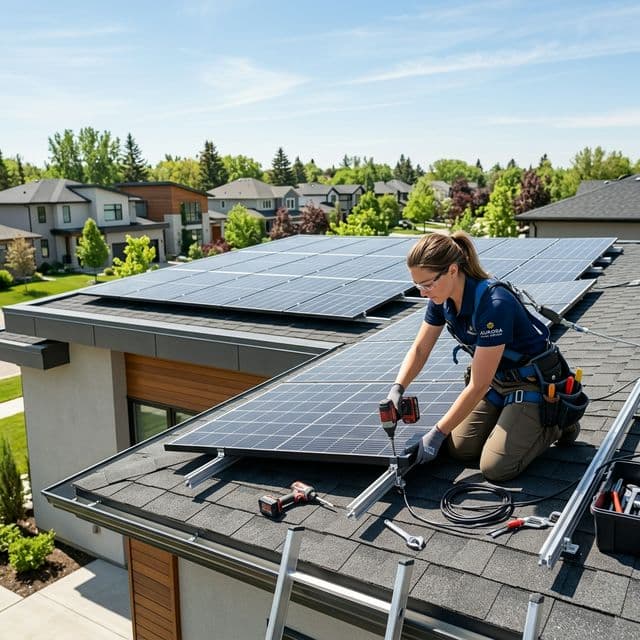
Reinstalling solar panels after roof renovations is a critical phase in maintaining an efficient solar energy system. Neglecting the nuances involved in this process can lead to decreased performance, potential roof leaks, and overall system failure. With insights from an experienced solar technician, this article dives deep into the best practices for solar panel reinstallation, emphasizing the importance of proper alignment, electrical testing, effective sealing methods, and other essential considerations.
1. Importance of Proper Planning Before Reinstallation
Before embarking on the reinstallation process, it is essential to conduct a thorough assessment of the roof and the solar panel components. Understanding the roof's structure after renovations is critical; structural integrity, slope, and the presence of any unforeseen obstacles from the renovation process can all impact the energy production of the solar system.
2. Key Considerations for Alignment
Alignment is a pivotal step in the reinstallation process to ensure that solar panels capture maximum sunlight. Here are some key aspects to consider:
- Orientation: The orientation of the solar panels should ideally face true south (in the Northern Hemisphere) to maximize solar exposure throughout the day.
- Angle: Panels should be mounted at an angle that allows optimal sunlight capture, typically between 15 to 40 degrees depending on geographic latitude.
- Spacing: Adequate spacing should be maintained to prevent shading from surrounding structures or trees.
3. Performing Electrical Testing
Before reinstalling, electrical testing is crucial. Ensuring that the system components are functional will prevent costly mistakes. Key testing procedures include:
- Voltage Testing: Measure the voltage output of each panel to ensure they are in working condition; ensure readings match the specifications provided by the manufacturer.
- Connection Integrity: Verify the integrity of the connections and wiring to prevent malfunctions once the system is operational.
- Inverter Functionality: Test the inverter to confirm that it is functioning properly and efficiently converts DC to AC power.
4. Sealing Methods to Prevent Leaks
Effective sealing between the solar panels and the roof is vital to prevent water intrusion. Recommended sealing strategies include:
- Using Quality Sealants: High-quality roof sealants specific to the roofing material should be employed. These are typically UV resistant and flexible to accommodate thermal expansion and contraction.
- Panel Flashing: Employ flashing around mounting points to safeguard against water penetration. Properly installed flashing will channel water away from the roof openings.
- Regular Maintenance Checks: After reinstallation, schedule maintenance checks to ensure that seals remain intact and effective over time.
5. Nuances of Each Installation
Every solar panel installation is unique, typically influenced by factors such as roof type, positioning of existing fixtures, and system size. It is crucial to understand these nuances:
- Roof Type: Solar panels installed on different roof types (flat, sloped, shingle, metal) will have different installation requirements, including mounting hardware and techniques.
- Local Regulations: Local building codes and zoning laws may influence the installation process, including the need for permits and inspections.
- Size and Capacity: The number of panels and their collective output will dictate the design and stress requirements of both the roof and mounting hardware.
6. Best Practices for Reinstallation
To ensure a successful reinstallation of solar panels, the following best practices should be adhered to:
- Document the Original Setup: Take photographs of the original installation for reference; this can greatly assist in proper reinstallation and maintenance.
- Involve a Professional: If unsure about any aspect of reinstallation, consider hiring a professional solar technician to avoid costly mistakes and ensure best practices are followed.
- Post-Installation Testing: Once the solar panels are reinstalled, conduct a final round of testing to verify the system’s performance and efficiency.
7. Conclusion
Reinstalling solar panels involves a blend of technical knowledge and practical application. By understanding the significance of careful alignment, thorough electrical testing, and effective sealing methods, homeowners can ensure that their solar energy systems operate at peak efficiency following any structural changes to their roofs. By following the insights shared by seasoned solar technicians, each reinstallation can be a smooth and successful endeavor.
Recommended Hardware
Technical Expansion
Deepen your expertise with our most critical recent diagnostic reports.
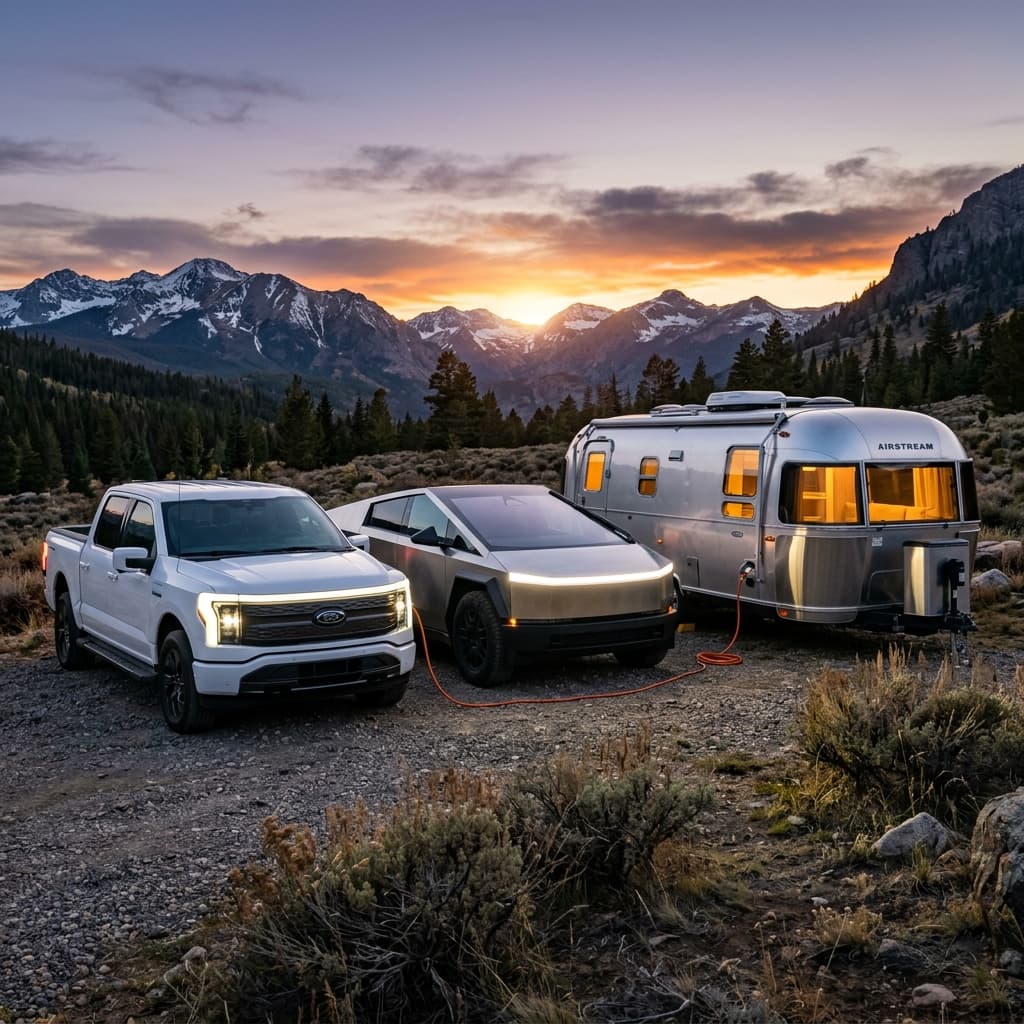
V2L Masterclass: How to Power Your RV with a Ford F-150 Lightning or Cybertruck (2026 Guide)
Unlock the potential of Vehicle-to-Load (V2L) technology. Learn how to use your EV truck as a silent, high-capacity mobile power plant for your RV without generators or fuel.
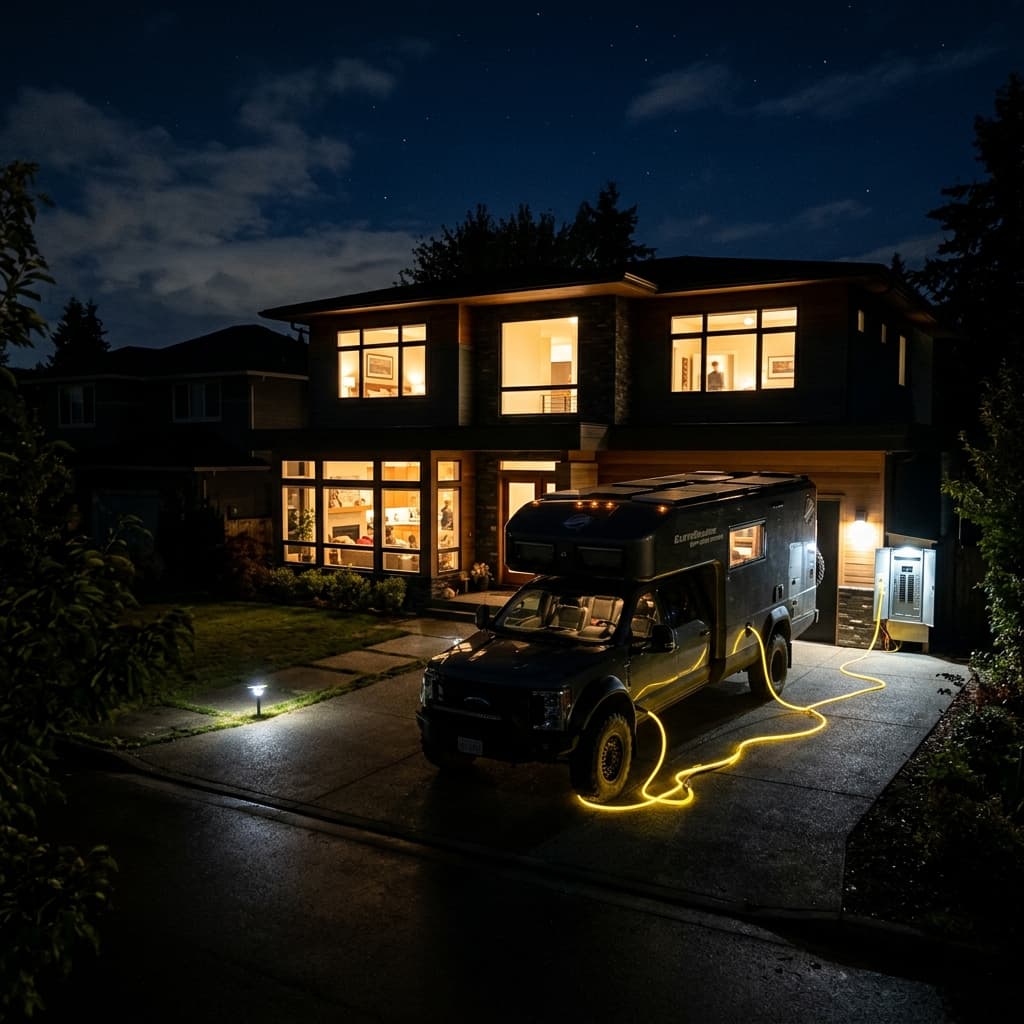
V2H (Vehicle-to-Home) RV Guide: Using Your Camper as a Backup Generator
Don't let your RV battery sit idle. Learn how to configure a V2H (Vehicle-to-Home) system to use your camper's massive solar and lithium bank as an emergency house backup generator.
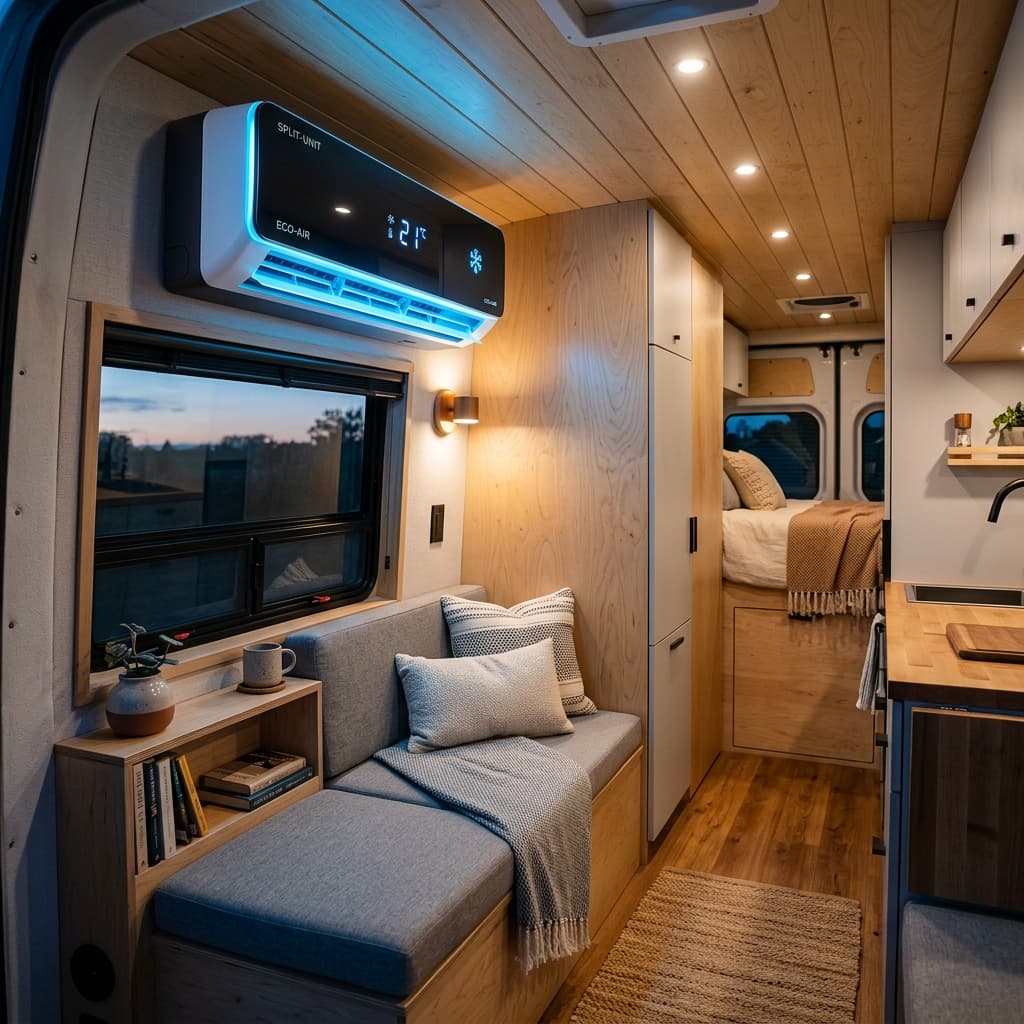
The Off-Grid A/C Masterclass: How to Stay Cool Without a Plug
Standard RV electrical systems were never engineered to run air conditioning off-grid. This extensive technical brief dissects the precise engineering challenge...