DIY Guide to Building Your Own LiFePO4 Battery Bank for Solar Energy Storage
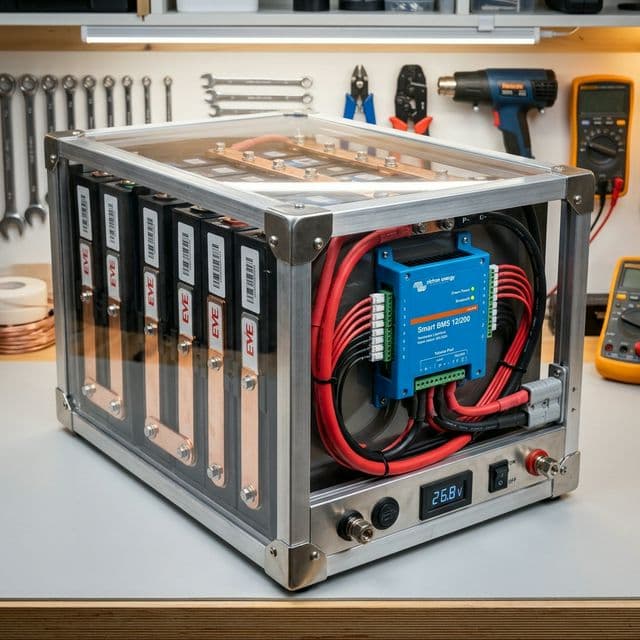
As the quest for cleaner energy solutions grows, many energy-conscious individuals are looking toward lithium iron phosphate (LiFePO4) batteries for their efficiency and safety in solar energy storage. Particularly suited for applications like RVs and off-grid living, LiFePO4 batteries boast impressive cycle life, thermal stability, and low toxicity. This comprehensive guide will walk you through the process of constructing your own LiFePO4 battery bank, including essential components, charging methods, and best practices to ensure safety and optimal functionality.
1. Understanding LiFePO4 Batteries
LiFePO4 batteries are a type of lithium-ion battery that uses lithium iron phosphate as their cathode material. They offer several advantages over conventional lead-acid batteries, including:
- Long Cycle Life: LiFePO4 batteries can endure many more charge/discharge cycles compared to lead-acid batteries, typically lasting up to 2000 cycles or more.
- Thermal Stability: They operate at lower temperatures and are less susceptible to thermal runaway, making them safer in various applications.
- Lightweight: These batteries provide a high energy density, which means you can store more energy in a smaller and lighter battery.
- Environmentally Friendly: LiFePO4 batteries are non-toxic and do not contain harmful heavy metals, making them a better choice for eco-conscious users.
2. Essential Components for Your LiFePO4 Battery Bank
Building your own LiFePO4 battery bank requires several key components that work cohesively. Here is a breakdown of what you will need:
- LiFePO4 Cells: These are the main energy storage units. Ensure that you select high-quality, authentic cells from a reputable manufacturer.
- BMS (Battery Management System): A BMS is crucial for monitoring the voltage and current of each cell, ensuring that the cells are charged and discharged safely.
- Enclosure: A durable enclosure or battery case is necessary to house your battery bank safely, protecting it from physical damage and short-circuiting.
- Connectors and Wiring: Use appropriate gauge wire and connectors to handle the current requirements of your system while minimizing voltage drop.
- Charging Equipment: A dedicated charger that matches the specifications for LiFePO4 chemistry will ensure the longevity and safety of your battery bank.
3. Steps for Building Your LiFePO4 Battery Bank
Follow these steps to construct your own LiFePO4 battery bank:
Step 1: Determine Your Energy Needs
Calculate the total watt-hours (Wh) required by the appliances you will run. Consider usage patterns and estimate how long you need to power each device.
Step 2: Sizing Your Battery Bank
Based on your energy needs, determine the number of cells needed for your battery bank. LiFePO4 cells typically come in 3.2V and 100Ah configurations, so calculate how many cells you will require in series and parallel.
Step 3: Assembling the Cells
Connect the cells in a series and parallel configuration based on your calculated needs. Use a BMS to maintain balance between the cells at all times, preventing overcharging and discharging.
Step 4: Installing the BMS
Install the BMS according to the manufacturer’s specifications. This will involve connecting it to each cell terminal. The BMS is essential for monitoring and protecting the battery bank.
Step 5: Wiring Up
Use appropriate gauge wires to connect your battery bank to the inverter, charge controller, and the solar panels. Employ secure connectors to prevent accidental disconnections.
Step 6: Testing Your Setup
Before relying on your LiFePO4 battery bank, conduct a thorough test to ensure everything functions as expected. Monitor voltage and current under load to confirm safety and efficiency.
4. Charging Methods for Your LiFePO4 Battery Bank
Charging LiFePO4 batteries correctly is fundamental to their longevity and performance. Here are common charging methods:
- Solar Charging: One of the most efficient ways to charge your battery bank is through solar panels. Pair your solar setup with a compatible charge controller suited for LiFePO4 to maximize efficiency.
- AC Charging: Use a dedicated LiFePO4 charger connected to mains electricity. Ensure the charger is designed specifically for LiFePO4 cells to avoid overcharging.
- DC Charging: DC-DC chargers can efficiently charge the battery bank from other DC sources like generators or vehicles, ensuring compatibility with the battery’s voltage.
5. Safety Measures and Best Practices
Safety is paramount when dealing with battery banks. Here are key practices to follow:
- Proper Ventilation: Ensure your battery bank is housed in a well-ventilated area to prevent overheating and potential gas buildup.
- Regular Monitoring: Keep an eye on voltage levels and temperatures through the BMS to catch any inconsistencies early.
- Use Quality Components: Only use certified and reliable hardware to ensure safety and performance longevity of your battery bank.
- Emergency Procedures: Familiarize yourself with protocols for handling battery failures or emergencies, including use of fire extinguishers rated for electrical fires.
Recommended Hardware
LiFePO4 Battery Cell 100Ah
High-quality LiFePO4 battery cell providing long cycle life and excellent performance.
LiFePO4 Battery Management System
Ensure safe operation and longevity with this reliable BMS for your LiFePO4 battery bank.
LiFePO4 Compatible Charger
A charger designed specifically for LiFePO4 batteries to ensure safe and efficient charging.
Enclosure for Battery Bank
A durable housing solution for protecting your LiFePO4 battery setup from damage.
Technical Expansion
Deepen your expertise with our most critical recent diagnostic reports.
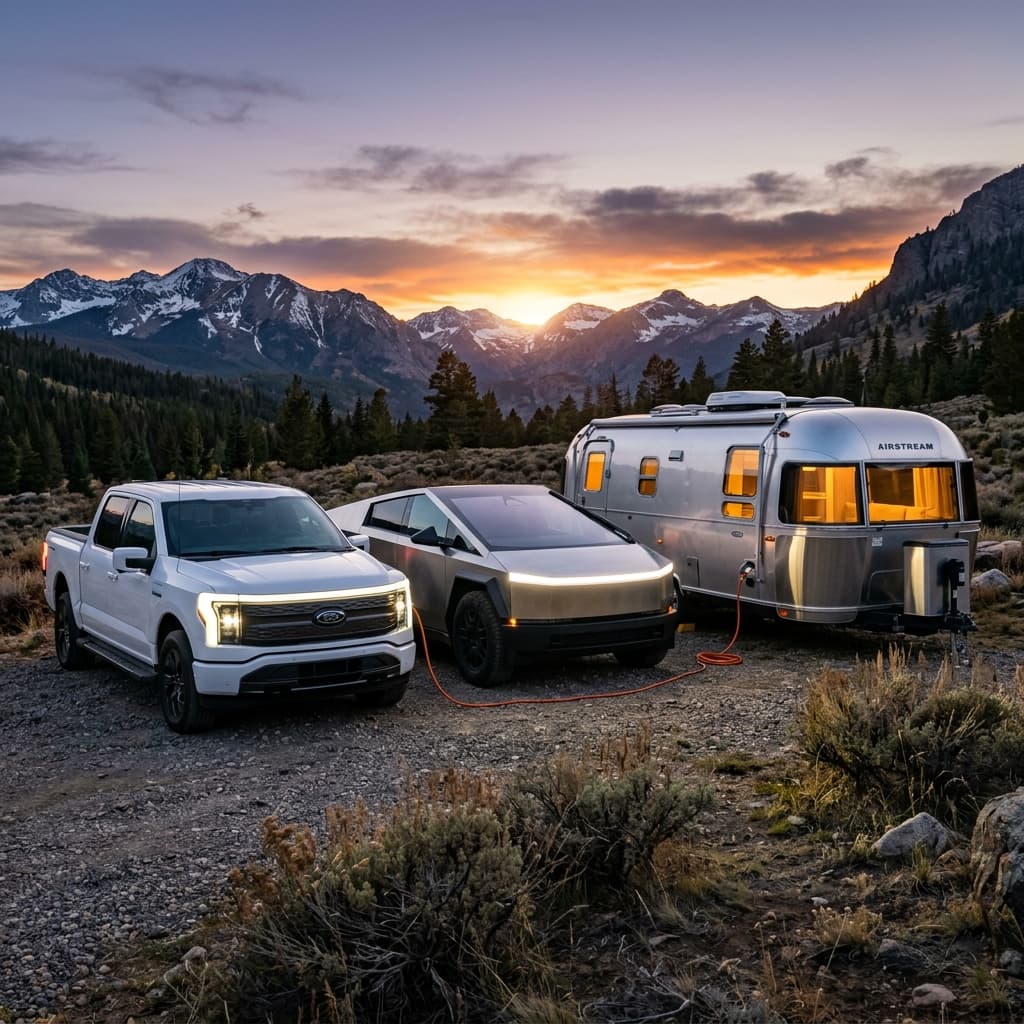
V2L Masterclass: How to Power Your RV with a Ford F-150 Lightning or Cybertruck (2026 Guide)
Unlock the potential of Vehicle-to-Load (V2L) technology. Learn how to use your EV truck as a silent, high-capacity mobile power plant for your RV without generators or fuel.
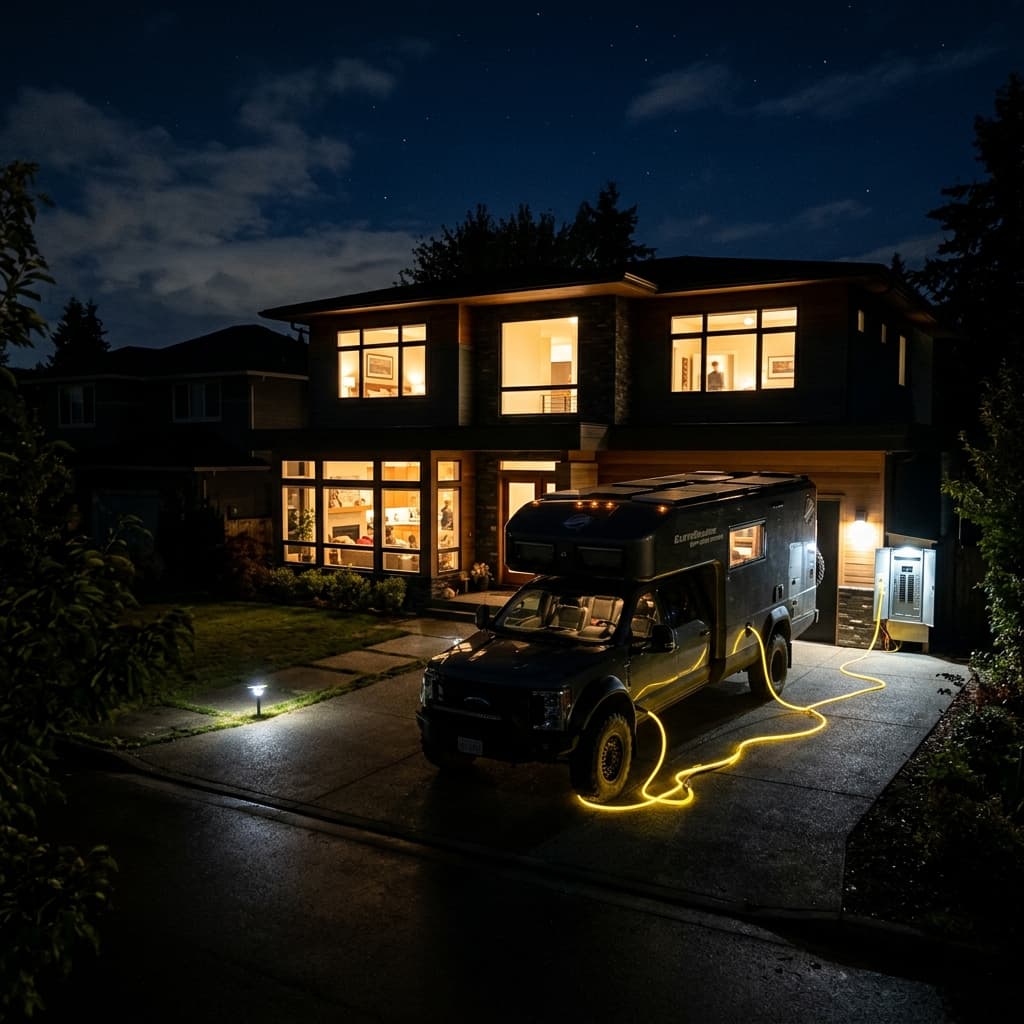
V2H (Vehicle-to-Home) RV Guide: Using Your Camper as a Backup Generator
Don't let your RV battery sit idle. Learn how to configure a V2H (Vehicle-to-Home) system to use your camper's massive solar and lithium bank as an emergency house backup generator.

The Off-Grid A/C Masterclass: How to Stay Cool Without a Plug
Standard RV electrical systems were never engineered to run air conditioning off-grid. This extensive technical brief dissects the precise engineering challenge...