DIY Guide: Mounting Solar Panels on Flat Concrete Roofs
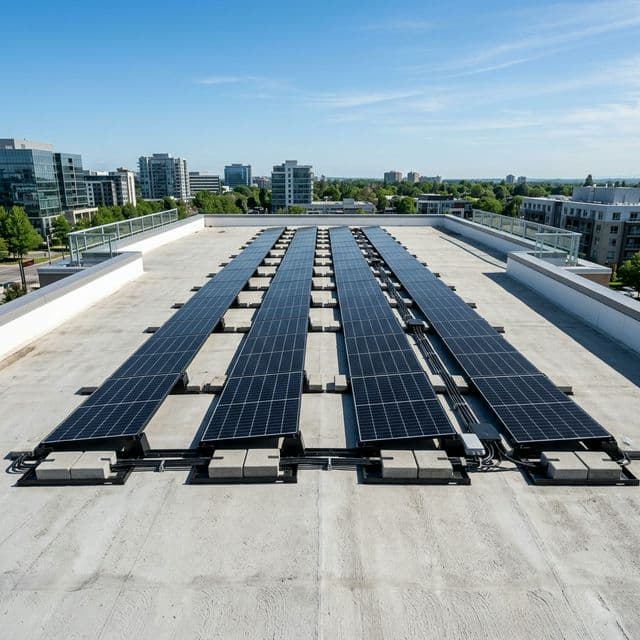
As more homeowners seek sustainable energy solutions, the installation of solar panels on flat concrete roofs is becoming increasingly popular. Flat roofs offer unique advantages such as lower installation costs and minimal aesthetic disruption. However, proper mounting techniques must be employed to ensure system stability, especially under extreme weather conditions like typhoons. This comprehensive guide will cover the best mounting methods, considerations for various weather conditions, and practical tips to guarantee a successful and safe installation.
1. Understanding Flat Roof Solar Panel Mounting
Solar panel mounting systems are critical for maximizing energy capture while ensuring the stability of the installation. Flat roofs introduce unique challenges due to their lack of natural drainage and potential water pooling. Therefore, it is essential to implement effective mounting strategies that can handle wind, rain, and snow loads.
2. Types of Mounting Systems
There are primarily two types of mounting systems typically used for solar panels on flat roofs:
- Ballasted Systems: These systems use weights to secure mounts in place without penetrating the roof membrane. Ballasted mounts are ideal for flat roofs as they require minimal installation efforts. However, it is crucial to ensure that the weight does not exceed the roof's load-bearing capacity.
- Pitched Racking Systems: This type of system utilizes a frame that elevates solar panels, allowing them to capture optimal sunlight while providing better drainage on flat roofs. This method can have more secure anchorage but may require roof penetration, which could lead to leaks if not done carefully.
3. Factors to Consider Before Installation
Before mounting solar panels on a flat concrete roof, several factors must be considered:
- Roof Condition: Assess the condition of your flat concrete roof before installation. Ensure there are no leaks and that the structure can support the additional weight of the solar panels and mounting system.
- Local Building Codes: Compliance with local regulations is crucial. Check if permits are required and confirm that your installation meets safety and building standards.
- Orientation and Angle: Although flat roofs provide flexibility in orientation, slight tilting can enhance solar gains. A tilt of 10-15 degrees is generally recommended for optimal production.
- Wind Resistance: Flat roofs are susceptible to strong winds, especially in areas prone to severe weather events. Ensure that your mounting system is designed to resist uplift forces.
4. Best Practices for Installation
To ensure a successful solar panel installation on a flat concrete roof, follow these best practices:
- Utilize Quality Mounting Hardware: Investing in quality mounting systems, such as those designed for wind resistance, can provide additional peace of mind. Ensure that all components, such as brackets and rails, are suitable for corrosive environments.
- Install a Drip Edge: Installing a drip edge around the panel mounts will help channel water away, preventing any potential moisture build-up that can lead to roof damage.
- Regular Maintenance: Ensure regular inspections and maintenance of the solar system and roof. Clean debris off the panels and inspect for any signs of deterioration or water pooling.
- Professional Guidance: Enlisting the help of professional installers can overcome many common installation problems. They can offer insights on local building experiences, regulations, and installation tips.
5. Preparing for Extreme Weather Conditions
Extreme weather conditions, especially hurricanes and typhoons, can pose significant challenges to solar panel installations on flat roofs. Preparing for these events requires careful planning and robust design strategies.
- Secure Mounting: Choose a mounting system specifically designed to withstand high winds. Verify that the ballast weight and mounting screws are rated for extreme weather conditions.
- Panel Design: Opt for solar panels with an aerodynamic design to minimize wind resistance. Some manufacturers offer panels engineered for harsh weather.
- Emergency Management: Keep emergency plans in place should a severe weather event occur. Ensure that a method for safely lowering or adjusting panels is available during high-risk weather alerts.
6. Installation Steps Overview
Here is a brief overview of the steps involved in mounting solar panels on a flat concrete roof:
- Inspect and Prepare: Assess the roof's condition, clean the area, and conduct any necessary repairs.
- Install the Mounting System: Secure the mounting system onto the roof, ensuring it is aligned correctly for your panel layout.
- Attach Solar Panels: Securely attach the solar panels to the mounts, following manufacturer's guidance for spacing and alignment.
- Wiring and Connections: Complete all necessary electrical wiring, ensuring all connections comply with local electrical codes.
- Final Inspection: Conduct a thorough final inspection to ensure everything is securely installed and functioning properly.
7. Recommended Hardware
Technical Expansion
Deepen your expertise with our most critical recent diagnostic reports.

V2L Masterclass: How to Power Your RV with a Ford F-150 Lightning or Cybertruck (2026 Guide)
Unlock the potential of Vehicle-to-Load (V2L) technology. Learn how to use your EV truck as a silent, high-capacity mobile power plant for your RV without generators or fuel.
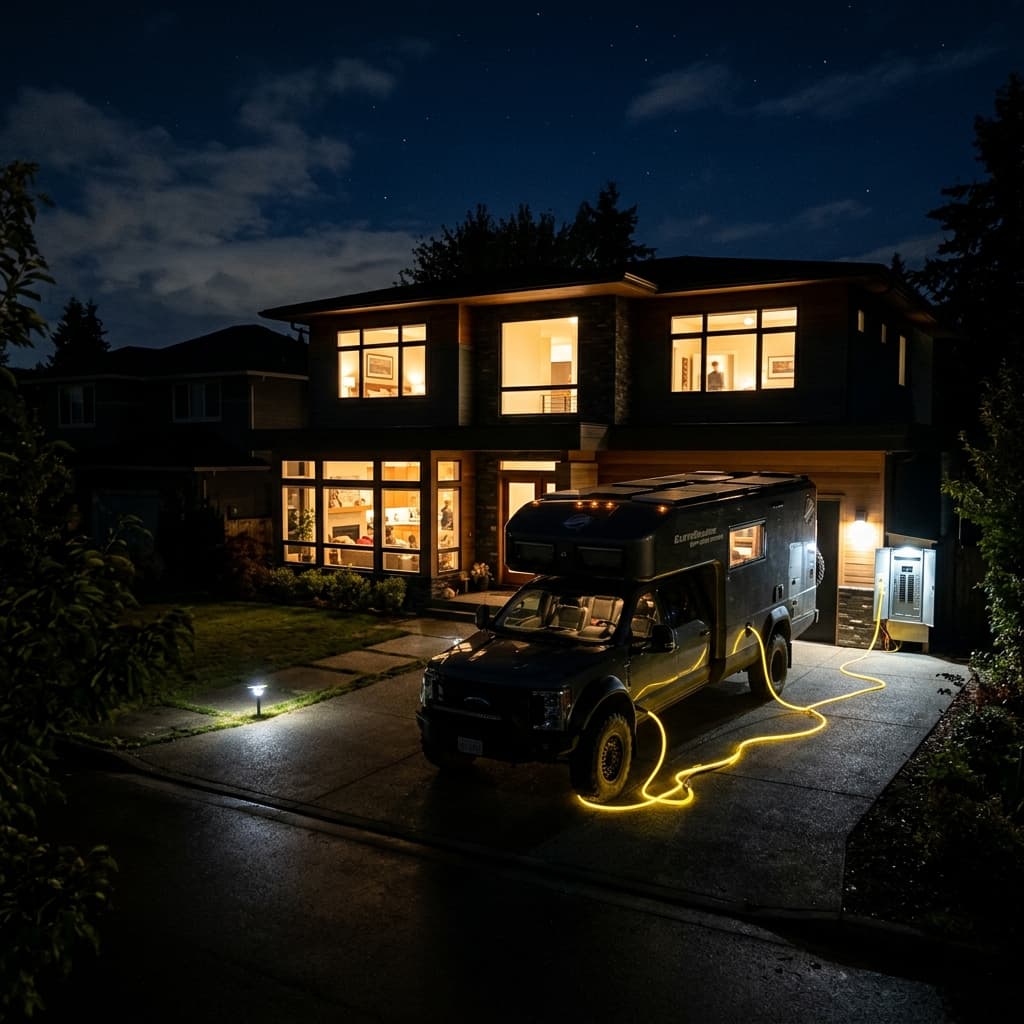
V2H (Vehicle-to-Home) RV Guide: Using Your Camper as a Backup Generator
Don't let your RV battery sit idle. Learn how to configure a V2H (Vehicle-to-Home) system to use your camper's massive solar and lithium bank as an emergency house backup generator.
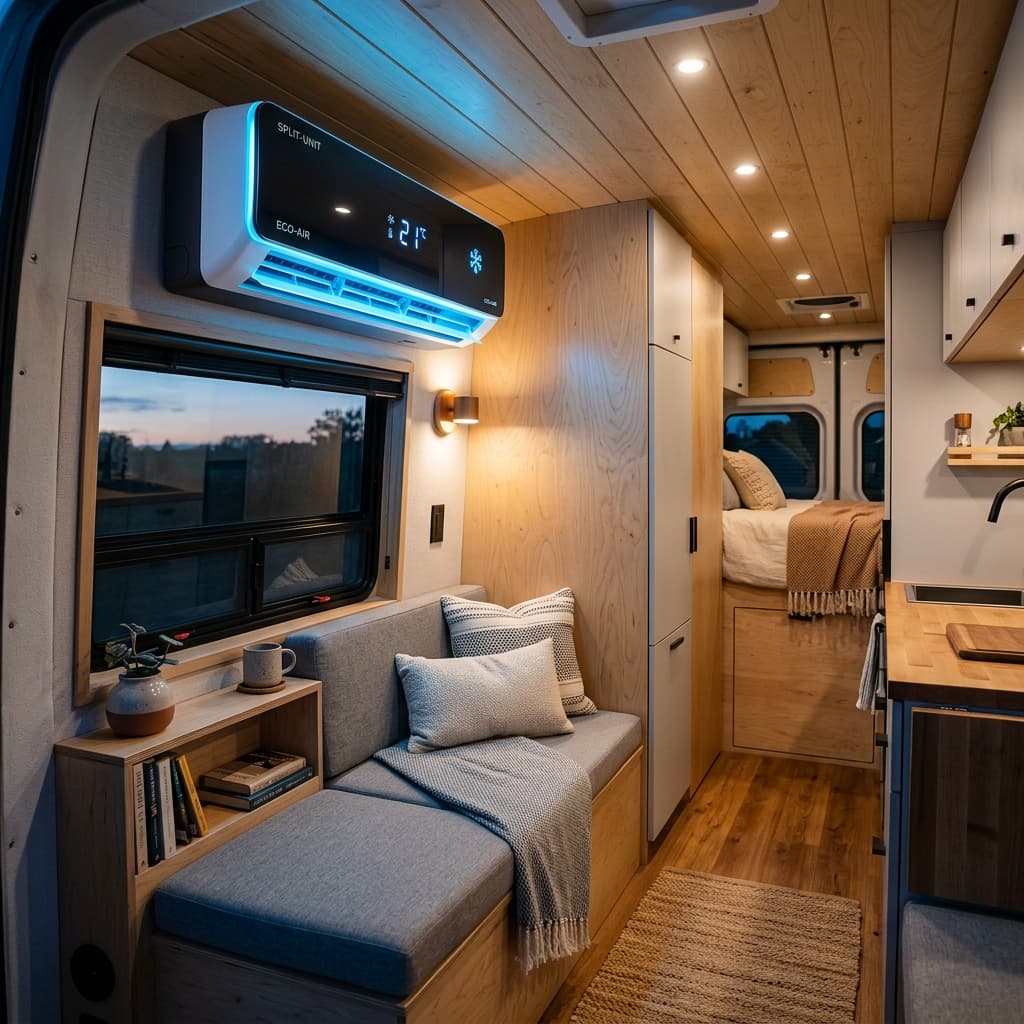
The Off-Grid A/C Masterclass: How to Stay Cool Without a Plug
Standard RV electrical systems were never engineered to run air conditioning off-grid. This extensive technical brief dissects the precise engineering challenge...