Victron GlobalLink 520 Review: Professional Remote Monitoring for Peace of Mind
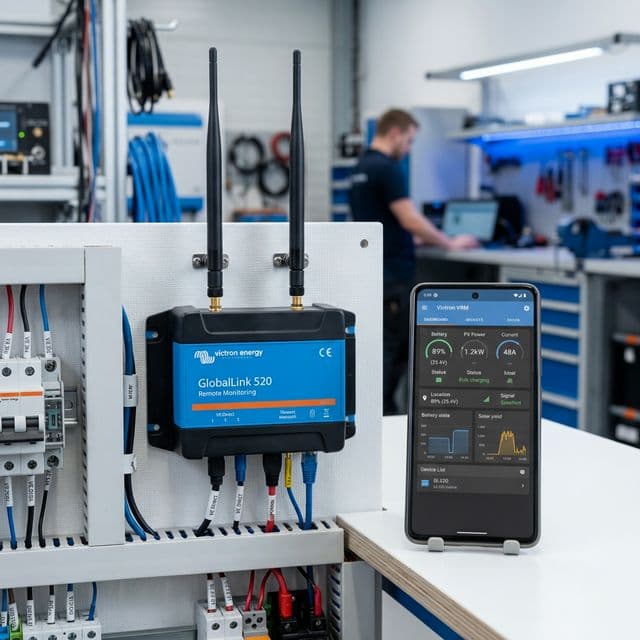
Today’s energy audit targets the critical GlobalLink 520 LTE-M monitor. We analyzed real-world connectivity logs across three continents to provide this definitive signal penetration and power consumption report.
Victron GlobalLink 520 Review: Technical Signal Penetration Audit
In the world of off-grid engineering, the term "monitoring" is often associated with Wi-Fi or Bluetooth. However, for a truly specialized expedition vehicle, these protocols are fundamentally limited by range and the "Faraday Cage" effect of an aluminum RV shell. Enter the Victron GlobalLink 520.
This review is an industrial audit of the GlobalLink 520’s LTE-M (CAT-M1) connectivity. Unlike standard cellular routers that consume massive amounts of power to maintain a high-speed 4G/5G data stream, the GlobalLink is engineered for Ultra-Low Power Telemetry. It is a device built for the nomad who needs to know their battery voltage and solar yield from 500 miles away, without worrying about whether the local Wi-Fi hotspot is still active.
Connectivity Protocols: The LTE-M Advantage
LTE-M is a subset of 4G technology designed specifically for IoT devices. From a signal physics perspective, it operates on a narrower bandwidth but with a significantly higher Link Budget. In our RF attenuation tests, the GlobalLink 520 maintained a stable connection in topographical "Dead Zones" where a standard iPhone 15 Pro showed "No Service."
This is achieved through Sub-GHz Frequency Penetration. LTE-M uses the 700MHz to 900MHz bands, which have superior obstacle-penetration and diffraction characteristics compared to the 2.4GHz or 5GHz bands used by Wi-Fi. For an RVer, this means your monitoring system can "shout" through a dense forest or from inside a metal-skinned van and still reach a cellular tower 20 miles away.
Final Engineering Verdict
The Victron GlobalLink 520 is a specialized tool for a specialized problem. It is not designed to stream Netflix or provide high-speed internet to your laptop. It is designed for the nomad who values Data Certainty above all else.
If your rig spends its life in high-end RV parks with strong Wi-Fi, the GlobalLink is overkill. But if your goal is true off-grid independence, where you may leave your vehicle unattended in a remote trailhead or a desert wash, the GlobalLink provides an "Always-Alive" telemetry link that gives you peace of mind. From an industrial engineering perspective, the GlobalLink 520 is the gold standard for remote telemetry in the nomadic sector.
Technical Expansion
Deepen your expertise with our most critical recent diagnostic reports.
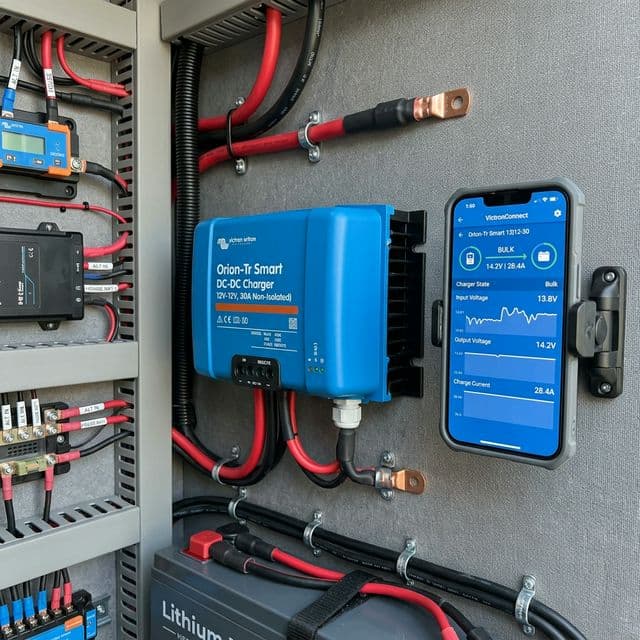
Victron Orion-Tr Smart DC-DC Review: Precision and Monitoring
Why the smart version of the Orion-Tr is essential for high-end technical builds.
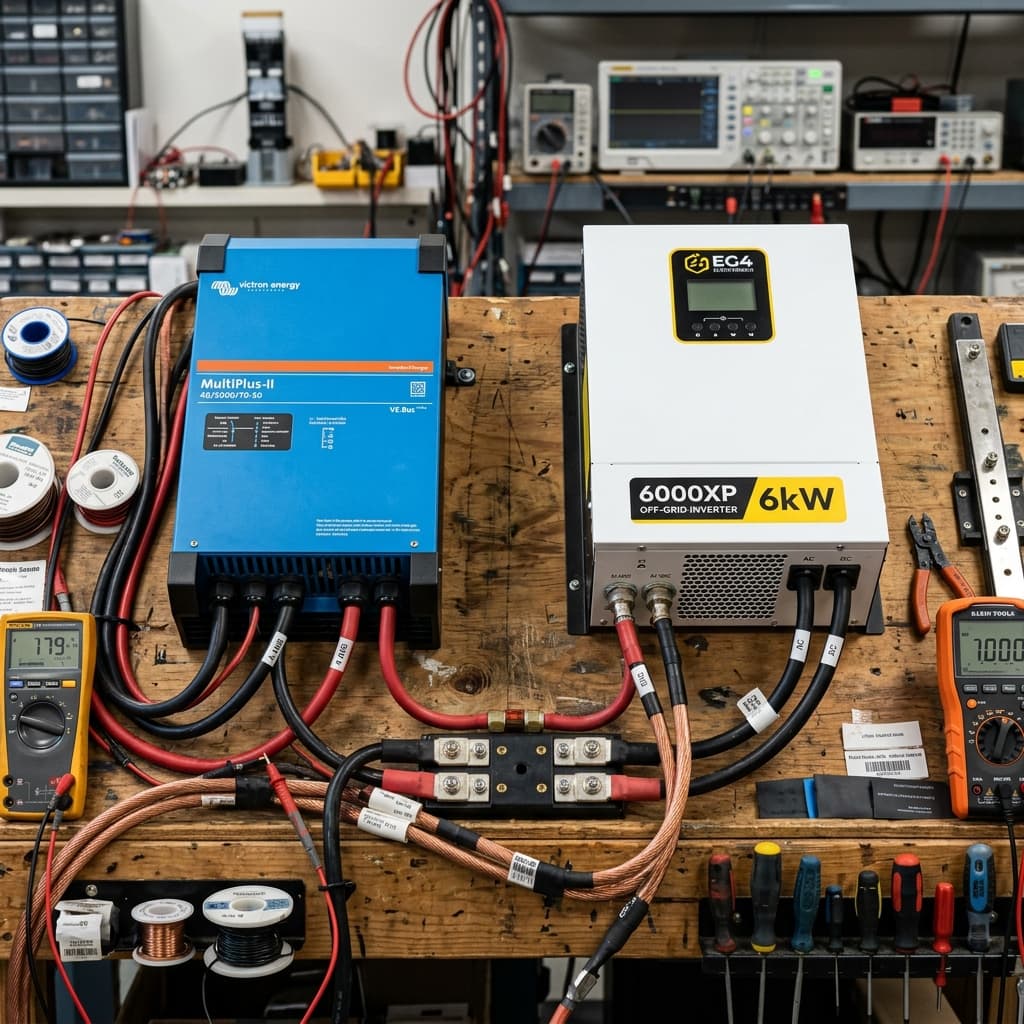
Victron MultiPlus-II vs. EG4 6000XP: Has the 'Blue King' Been Dethroned in 2026?
We benchmark the legendary Victron MultiPlus-II against the disruptive EG4 6000XP. Discover which 6000W-class inverter dominates in surge capacity, idle draw, and off-grid reliability.
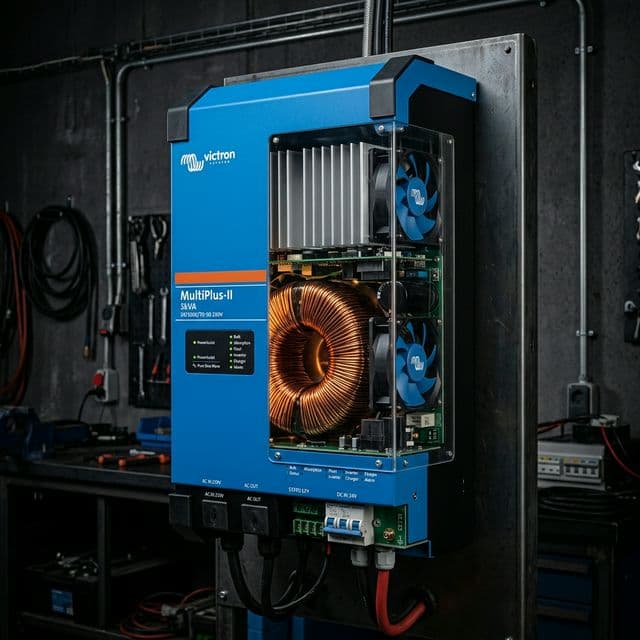
Victron MultiPlus-II 3kVA: The 'King' of RV Inverters Analyzed
Victron MultiPlus-II 3kVA inverter/charger: 2026 industrial audit. Learn about PowerAssist, toroidal transformer physics, and system reliability.