The Ultimate Guide to Portable Solar Panels for Van Life (2026 Edition)
Why Portable Solar Panels Are a Game-Changer for Van Life in 2026
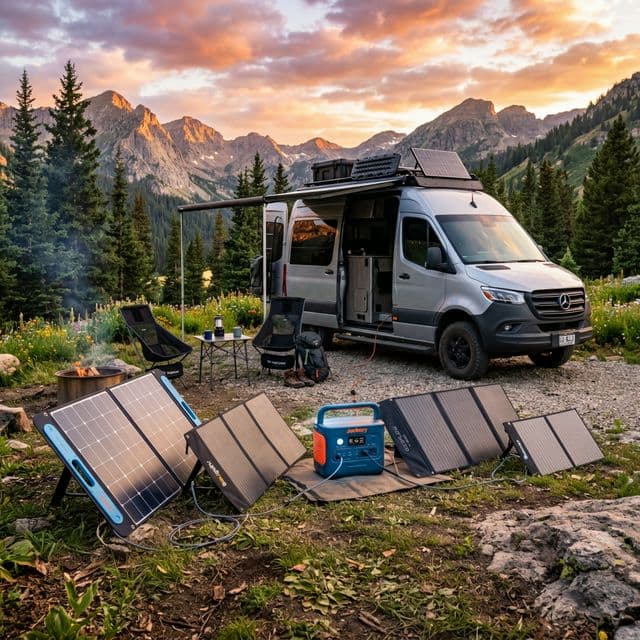
When you transition to van life, achieving true energy independence is the ultimate goal. While roof-mounted solar arrays are incredibly popular, portable solar panels offer a unique level of flexibility and efficiency that fixed systems simply cannot match. In 2026, solar technology has advanced to a point where portable panels are lighter, more durable, and vastly more efficient than their predecessors. Whether you are boondocking in a shaded forest or camping by the beach, relying on an off-grid power system equipped with the right portable solar setup guarantees that your LiFePO4 batteries stay charged.
Understanding the Types of Portable Solar Panels
Navigating the market can be overwhelming, but portable solar essentially breaks down into two core categories. Choosing the right one depends on your storage constraints, budget, and how rugged your van life adventures tend to be.
1. Folding Solar Suitcases
Constructed from rigid glass and aluminum frames, hinged together to fold like a briefcase. Despite being the heaviest option, they are fundamentally the most durable and often boast the highest efficiency rates with built-in kickstands.
2. Flexible Solar Mats
Constructed by sewing highly efficient solar cells into a durable, weather-resistant fabric. Over the last few years, the degradation issues that once plagued flexible panels have been resolved using ETFE coatings.
Determining Your Van's Power Needs
Before purchasing a portable solar array, you must accurately calculate your daily energy consumption. For most weekend warriors running a 12V fridge, some LED lights, and charging a laptop, a 100W to 200W portable solar panel is usually sufficient to maintain a 100Ah lithium battery.
However, if you are living in your van full-time, working remotely with multiple monitors, running a Starlink dish, or operating high-draw appliances like a roof vent fan or an induction cooktop, your daily energy draw will be significantly higher. In these scenarios, investing in a robust 300W to 400W portable array, or using a smaller 200W portable unit to supplement an existing roof-mounted system, is a standard best practice in 2026.
Top Features to Look For: A Quick Comparison
Not all solar panels are created equal. To ensure that your off-grid system functions flawlessly in remote locations, prioritize these specific specifications when shopping. Here is a quick reference table of components you should evaluate.
| Feature Component | What You Need in 2026 | Why It Matters |
|---|---|---|
| Cell Technology | Monocrystalline | Provides 22-24% efficiency. Packs the most watts into the smallest possible physical footprint. |
| Charge Controller | MPPT | Up to 30% more efficient than older PWM models, crucially squeezing out power during cloudy winter days. |
| Coating / Protection | ETFE Surface Matrix | Highly resistant to UV degradation and scratching. An IP67 waterproof rating protects against dust and morning dew. |
How to Maximize Your Solar Yield on the Road
The greatest advantage of a portable solar panel is directional control. While roof panels are at the mercy of how your van is parked, a portable panel can be manually adjusted.
- Chase the Sun: Move your panel 3 or 4 times a day to maintain a perfect 90-degree angle with the sun's rays. This practice alone can increase your daily solar harvest by up to 40% compared to flat-mounted roof panels.
- Park in the Shade, Solar in the Sun: Van life in the summer can be brutally hot. Portable panels allow you to protect your van's interior temperatures by parking under the shade of a large tree, while running a 20-foot extension cable to place your panels in direct sunlight.
- Keep Them Clean: A fine layer of desert dust can reduce efficiency by 15%. Wipe down your ETFE or glass panels with a microfiber cloth every two days.
Fixed vs. Portable: Why Not Both?
The modern consensus within the van life community is that you don't necessarily have to choose one over the other. The hybrid solar approach is highly recommended. By installing a fixed 200W or 300W array on your van's roof, you guarantee a baseline level of passive charging while you are driving or parked in open areas.
Adding a portable 200W solar suitcase to this system provides the ultimate off-grid security. During the short days of winter, or when you are boondocking in deeply shaded areas like the Pacific Northwest, your portable panel can be deployed and angled perfectly to capture the low winter sun, ensuring your batteries never dangerously deplete.
"A hybrid solar setup gives you the passive charging of roof panels while driving, and the high-efficiency tracking of portable panels when parked in the shade."
Conclusion
Embracing a portable solar panel setup drastically elevates your boondocking capabilities, offering you the freedom to park your van in the shade while harvesting maximum energy in the sun. By prioritizing high-efficiency monocrystalline cells, durable ETFE coatings, and MPPT technology, you can build a reliable, off-grid power system. Evaluate your daily watt-hour consumption carefully, and choose the portable solar solution that best supports your ultimate van life journey.
Technical Expansion
Deepen your expertise with our most critical recent diagnostic reports.
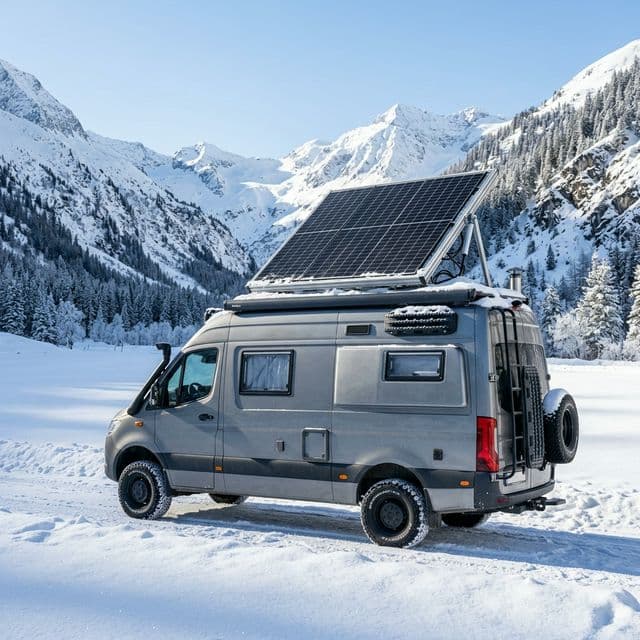
Winter RVing & Lithium: Survival Guide for Freezing Temps
Technical guide to lithium plating, battery heaters, and low-angle winter solar harvesting.
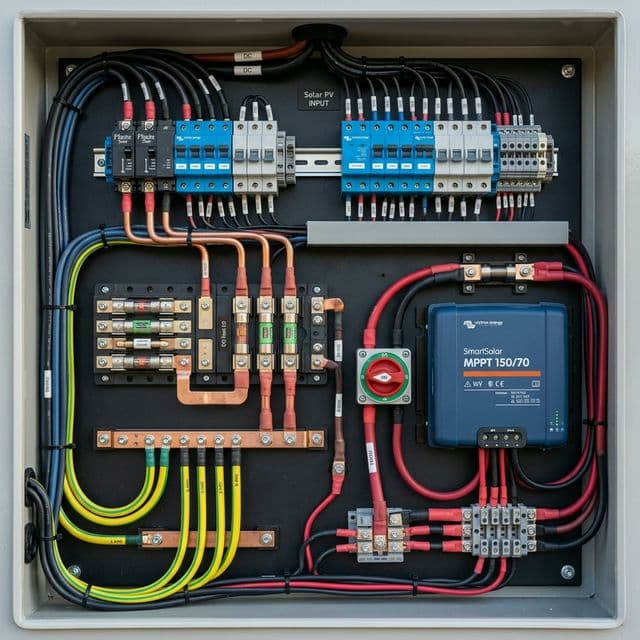
Top 10 RV Solar Mistakes: How to Avoid Burning Your Camper Down
The final word on solar safety: Fusing, grounding, and roof penetration best practices.
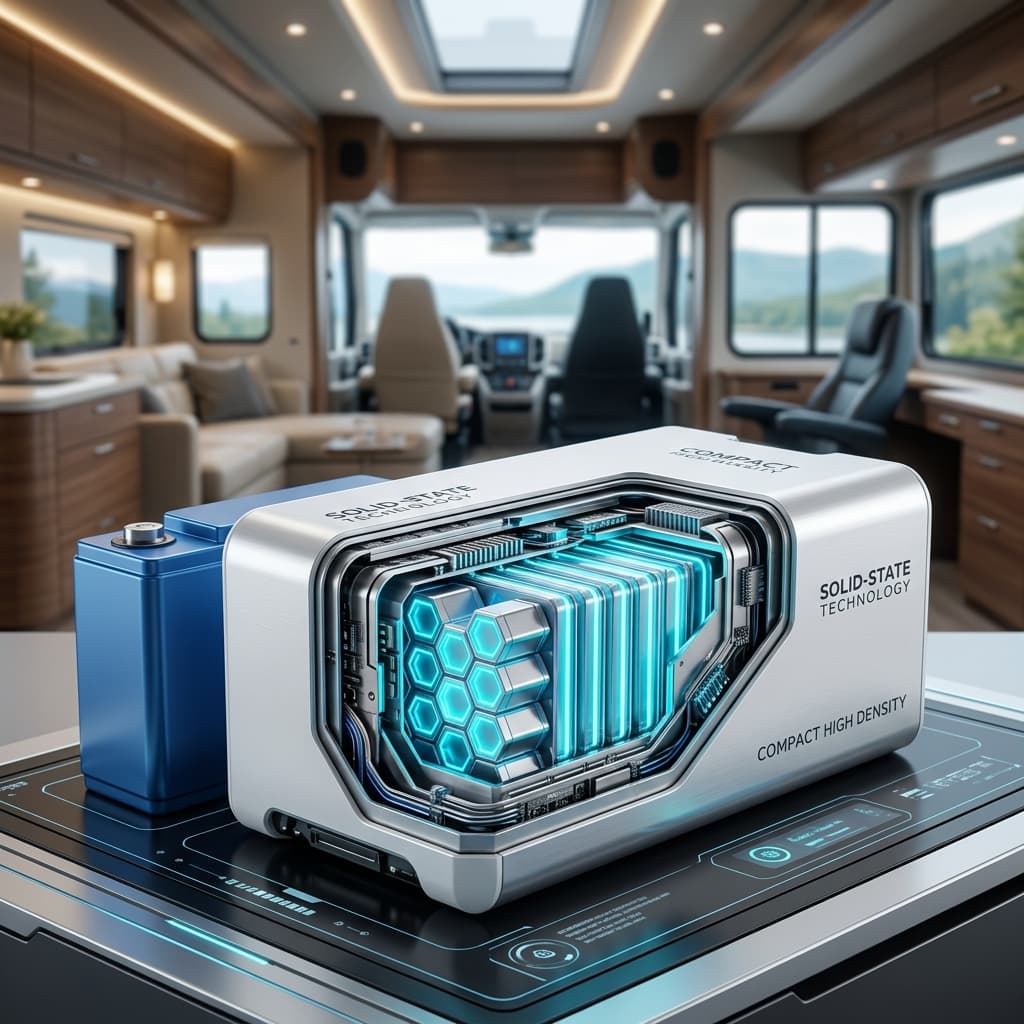
The End of LiFePO4? Solid State Batteries Arrive in the 2026 Caravaning Market
Twice the energy density, half the weight, and zero fire risk. Solid-state technology is no longer a dream, it's the 2026 reality for high-end RV builds.